Updated November 2026
If you’ve been watching housing prices climb, sitting in traffic longer than you’d like, or wondering why a decent salary doesn’t seem to go as far as it used to, you might have asked yourself a simple question:
Would life be better somewhere else?
Following the 2026 midterm elections, Americans have plenty of reasons to think about the future of their communities. For some, politics plays a role in where they want to live. For others, it’s about affordability, public safety, schools, career opportunities, or simply finding a place where life feels a little less complicated.
Whatever your reasons, there’s one city that deserves a closer look.
Omaha, Nebraska.
It might not be the first place that comes to mind when you’re considering a move. Omaha doesn’t have an ocean, towering mountains, or a famous Hollywood skyline. What it does offer is something increasingly valuable: a manageable cost of living, a diverse economy, accessible neighborhoods, and many of the conveniences of a larger city.
And while Omaha isn’t perfect, you might be surprised by how well it compares with the national average.
Let’s look at the numbers, the lifestyle, and a few things you should know before packing your moving boxes.
Omaha vs. the National Average: How Much Could You Save?
One of the strongest arguments for moving to Omaha is affordability, especially when it comes to buying a home.
But housing is only one part of the equation. Electricity, gasoline, taxes, groceries, transportation, and insurance can all affect how much money you have left at the end of the month.
Here are several useful comparisons based on available 2026 data.
| Expense or indicator | Omaha / Nebraska | National comparison |
|---|---|---|
| Median home sale price | $292,000 in Omaha, August 2026 | Approximately 30% below the national average, according to Redfin |
| Residential electricity | 13.54¢ per kWh in Nebraska | 18.16¢ nationally, August 2026 |
| Regular gasoline | $3.88 per gallon in Omaha | $4.15 nationally, November 3, 2026 |
| Average one-way commute | 19.6 minutes in Omaha | 27.2 minutes nationally |
| Unemployment rate | 2.6% in the Omaha metro | 4.0% nationally, September 2026 |
| State income tax | 2.46% to 4.55% in Nebraska | Varies widely by state |
| State sales tax | 5.5%, plus local taxes | Varies by state and locality |
| Property taxes | Relatively high, particularly around Omaha | Higher effective rates than many U.S. communities |
Sources: Redfin, U.S. Energy Information Administration, AAA, U.S. Census Bureau, Bureau of Labor Statistics, Nebraska Department of Revenue, and Tax Foundation. Figures refer to different reporting periods and geographic areas, as labeled.
There are some important takeaways here.
Housing and electricity are two areas where Omaha offers measurable advantages. Commuting is another.
But Nebraska isn’t the least expensive state for everything. Property taxes can be substantial, and utility savings depend on the size of your home and how much energy you use.
That’s why it’s important to look at your total cost of living, not just the price of a house.
For a closer look, visit our Cost of Living in Omaha guide.
1. Housing: More House for Your Money
For many people moving from a major metropolitan area, housing is the biggest attraction.
Consider the difference between spending hundreds of thousands of dollars on a small condominium and using a similar budget toward a detached house with a yard, garage, and basement.
In August 2026, Redfin reported a median home sale price of approximately $292,000 in Omaha, roughly 30% below the national average.
That doesn’t mean every Omaha home costs $292,000. Prices vary significantly based on neighborhood, square footage, age, condition, and school district.
But it does mean buyers may have options that would be considerably more expensive in many large metropolitan areas.
What Can $350,000 Buy in Omaha?
A $350,000 budget may put a buyer in range of established single-family neighborhoods, including homes with three or four bedrooms, attached garages, and usable yard space.
Depending on the location and property, buyers may find features such as:
- A detached house instead of a condominium
- Three or four bedrooms
- A two-car garage
- A backyard for children, pets, or entertaining
- A finished or unfinished basement
- Space for a home office
- Access to neighborhood parks and schools
These features aren’t guaranteed at that price, especially in popular newer developments. Still, they illustrate why Omaha can be attractive to buyers relocating from more expensive cities.
Where Should You Look?
The Omaha metro offers several distinct options.
West Omaha and Elkhorn feature established subdivisions, newer developments, shopping areas, parks, and access to major roads.
Papillion and La Vista offer suburban living, retail conveniences, parks, and access to the broader metropolitan area.
Bellevue, south of Omaha, has a mix of established housing, newer neighborhoods, and proximity to Offutt Air Force Base.
Gretna is a growing community with considerable residential and commercial development.
Dundee, Benson, Midtown, and older Omaha neighborhoods appeal to buyers looking for historic architecture, mature trees, local restaurants, and neighborhood character.
The right choice depends on your budget, commute, lifestyle, and priorities.
Explore our Omaha Neighborhoods Guide and Home Buying Guide before starting your search.
2. Less Time in Traffic, More Time Living
Here’s something that doesn’t always show up in cost-of-living comparisons.
Your time has value, too.
According to U.S. Census Bureau data, Omaha’s average one-way commute was approximately 19.6 minutes for the 2020 through 2024 reporting period.
The national average was 27.2 minutes in the 2024 American Community Survey.
That’s a difference of about eight minutes each way.
For someone commuting five days a week, a difference of 7.6 minutes per trip works out to approximately 66 hours over 52 weeks.
That’s more than two and a half days of time potentially spent somewhere other than commuting.
Of course, your actual commute depends on where you live and work. Someone traveling across the metro during rush hour could spend considerably longer in the car.
Getting Around Omaha
Omaha benefits from a relatively straightforward road network.
Interstate 80 provides east-west access across the metro, while Interstate 680 and Interstate 480 connect important parts of the city. Major north-south streets also make navigation easier once you understand Omaha’s numbered street system.
Most shopping centers, grocery stores, and suburban restaurants provide parking, often at no additional charge.
That can be a welcome change for someone accustomed to expensive parking garages or circling crowded blocks looking for an open space.
But Omaha does have traffic problems.
Construction, winter weather, and rush-hour congestion can slow drivers, particularly around major interchanges and growing suburban corridors.
The difference is that many residents find Omaha’s daily transportation demands more manageable than those of much larger metropolitan areas.
Read more in our Omaha Traffic Guide.
3. Electricity Can Be Less Expensive Than the National Average
Utilities are another area where Nebraska has an advantage, although individual bills can vary.
According to the U.S. Energy Information Administration, the average residential electricity price in August 2026 was:
| Location | Average residential electricity price |
|---|---|
| Nebraska | 13.54¢ per kWh |
| United States | 18.16¢ per kWh |
That puts Nebraska’s average residential electricity price approximately 25% below the national average for that month.
To understand what that means, consider a hypothetical household consuming 1,000 kilowatt-hours per month.
At those average electricity prices:
| Location | Electricity usage cost |
|---|---|
| Nebraska | $135.40 |
| United States | $181.60 |
| Difference | $46.20 |
That’s a difference of roughly $554 annually if the same price difference and consumption continued all year.
This is an illustration using August prices, not a forecast of actual annual savings. Electricity usage, seasonal rates, fixed charges, and taxes all affect real bills.
Omaha’s Utilities
Most Omaha-area residents receive electricity from the Omaha Public Power District, commonly known as OPPD.
Metropolitan Utilities District, or M.U.D., provides natural gas and water service in much of the area.
One advantage of Omaha’s utility landscape is that OPPD operates as a publicly owned electric utility.
However, that doesn’t mean utility bills are always inexpensive.
Nebraska winters can require considerable home heating, while hot, humid summers increase air-conditioning use.
A large, older, or poorly insulated home may have higher total utility bills than a smaller, efficient home in a more expensive state.
Before buying, request previous utility bills whenever possible.
Our Omaha Utilities Guide explains what newcomers need to know.
4. Gasoline and Transportation: Some Savings, Some Tradeoffs
Gasoline prices are constantly changing, but Omaha can compare favorably with the national average.
On November 3, 2026, AAA reported regular gasoline averaging approximately $3.88 per gallon in its Nebraska-only Omaha market, compared with $4.15 nationally.
That’s a difference of approximately 27 cents per gallon.
For a driver purchasing 50 gallons a month, that would mean about $13.50 in monthly savings at those prices.
Not life-changing by itself, but every expense contributes to the household budget.
The bigger transportation advantage may be the combination of shorter commutes and easier parking.
There’s a Catch: You’ll Probably Want a Car
Omaha isn’t New York City or Chicago when it comes to public transportation.
The metro has bus service and the ORBT rapid bus corridor, but many neighborhoods and suburbs are designed primarily around driving.
Depending on your location, walking to a grocery store, restaurant, or workplace may not be practical.
A household moving from a city where one car or no car was sufficient may need an additional vehicle in Omaha.
That means budgeting for insurance, registration, maintenance, gasoline, and potentially another car payment.
For most suburban households, convenient driving is an advantage. For people who prefer living without a car, it can be a significant disadvantage.
See our guide: Can You Live in Omaha Without a Car?
5. Taxes in Nebraska: What You Need to Know
Taxes deserve special attention because Nebraska is not necessarily a low-tax state.
Moving to Omaha could reduce your housing expenses while increasing certain taxes, depending on where you’re relocating from.
Nebraska State Income Tax
For tax year 2026, Nebraska has three individual income tax rates:
- 2.46%
- 3.51%
- 4.55%
The highest rate has declined from 5.20% in 2025 as part of the state’s income tax reduction schedule.
That’s potentially welcome news for residents comparing Nebraska with states that have higher marginal income tax rates.
However, the actual difference depends on taxable income, filing status, deductions, credits, and the tax laws in your previous state.
Someone relocating from a state without an individual income tax could actually pay more in state income taxes after moving to Nebraska.
Nebraska Sales Tax
Nebraska’s general state sales tax is 5.5%.
Local governments may impose additional sales taxes. Omaha generally has a combined rate of 7%, although special tax arrangements can apply to certain purchases and districts.
Compared with some locations, that’s reasonable. Compared with others, it may be higher.
Property Taxes: Omaha’s Biggest Financial Drawback
This is one expense that deserves careful attention.
Nebraska has relatively high property taxes compared with many other states.
According to the Tax Foundation’s 2026 county comparison using 2024 Census estimates:
| Omaha-area county | Median annual property tax paid |
|---|---|
| Douglas County | $4,507 |
| Sarpy County | $5,473 |
| Washington County | $4,142 |
These are countywide historical medians, not estimates for a newly purchased home.
Your actual property taxes will depend on assessed value, location, applicable levies, exemptions, and other factors.
For example, two similar homes on opposite sides of a school district or municipal boundary may have different tax bills.
And in some newer areas, special assessments or Sanitary and Improvement District obligations can affect your housing expenses.
Don’t Forget Vehicle Taxes and Registration
Nebraska also has motor vehicle taxes and fees that can surprise newcomers.
When planning a move, compare your expected vehicle registration costs with what you currently pay.
A lower home purchase price doesn’t eliminate the need to budget carefully.
Learn more in our Property Taxes, Insurance, and Utilities Guide and Omaha Vehicle Registration Costs Guide.
6. Jobs and Economic Opportunity: Omaha Has More Than Cornfields
One of the biggest misconceptions about Nebraska is that its economy revolves almost entirely around agriculture.
Agriculture is certainly important to the state, but Omaha has a much broader employment base.
The metro is home to major employers in finance, insurance, transportation, healthcare, logistics, technology, retail, and professional services.
Well-known businesses and organizations with significant Omaha-area operations include:
- Berkshire Hathaway
- Union Pacific
- Mutual of Omaha
- First National Bank of Omaha
- Nebraska Medicine
- CHI Health
- Offutt Air Force Base
The University of Nebraska at Omaha, Creighton University, and Metropolitan Community College also contribute to education and workforce development.
Omaha’s Employment Numbers Are Encouraging
According to the Bureau of Labor Statistics, the Omaha-Council Bluffs metropolitan area had a 2.6% unemployment rate in September 2026.
The comparable national rate was 4.0%.
That doesn’t guarantee you’ll find a job immediately, but it does suggest a relatively strong local labor market.
What About Salaries?
This is where prospective movers should be realistic.
A job paying $120,000 in a high-cost metropolitan area may not pay the same amount in Omaha.
Certain specialized careers may also offer fewer local opportunities than larger employment centers.
Before relocating, compare actual job openings, salaries, benefits, and long-term advancement opportunities.
If you work remotely and can retain your current compensation, Omaha’s lower housing expenses may be especially attractive.
But confirm that your employer permits permanent work from Nebraska and whether your compensation, benefits, or taxes would change.
Visit our Jobs and Schools Guide to explore the area’s employers and educational resources.
7. Public Safety: How Does Omaha Compare?
Safety is a major consideration when choosing where to live.
Some people relocating from large metropolitan areas may be concerned about crime, public disorder, or whether their neighborhoods feel comfortable at night.
Omaha certainly has crime. Like virtually every sizable American city, it experiences theft, vehicle break-ins, assaults, and other criminal activity.
But recent trends have been encouraging.
In June 2026, Omaha Police reported that overall crime declined approximately 10% in 2025 compared with the previous year. The department also reported another decline in overall crime during the early part of 2026.
That’s positive news, but it’s important to understand what those numbers mean.
A percentage decline in local crime doesn’t automatically establish that Omaha is safer than every larger city.
Meaningful comparisons need to account for population, reporting methods, crime categories, and the period being measured.
Neighborhoods Matter
Crime patterns can vary considerably throughout Omaha.
A quiet residential subdivision in West Omaha may experience different public safety concerns than a busy commercial district or a densely populated urban neighborhood.
Before purchasing or renting, research the specific area you’re considering.
Review local crime statistics, visit at different times of day, and pay attention to lighting, traffic, property maintenance, and overall neighborhood conditions.
Our Omaha Crime Statistics Guide provides a useful starting point.
8. Homelessness and Other Urban Challenges
Homelessness is a serious issue in communities across the United States, including Omaha.
People experiencing homelessness face a complex combination of housing costs, health challenges, employment difficulties, and limited access to supportive services.
Omaha has shelters, outreach organizations, and programs working to address these needs.
For people considering a move from a much larger city, Omaha may offer a different experience in terms of urban density and the visibility of homelessness.
However, it would be misleading to say the issue doesn’t exist here or that every larger city is worse.
A fair comparison needs to consider both the total number of people experiencing homelessness and the rate relative to population. It also needs to recognize differences in how communities count sheltered and unsheltered residents.
The more useful question for someone relocating is what life looks like in the particular neighborhood they’re considering.
Visit the area, walk around, explore nearby parks and shopping centers, and form an opinion based on firsthand experience rather than headlines alone.
9. Big-City Amenities Without Living in a Megacity
Affordable housing and shorter commutes are important, but what is there to do once you’re settled?
Quite a lot, actually.
Omaha has a restaurant scene, performing arts venues, museums, parks, sporting events, shopping districts, and community attractions that might surprise first-time visitors.
A Revitalized Downtown and Riverfront
One of Omaha’s most visible improvements has been the transformation of its downtown riverfront.
The RiverFront connects three major public spaces: Gene Leahy Mall, Heartland of America Park, and Lewis and Clark Landing.
The parks feature walking paths, landscaped spaces, playgrounds, fountains, gathering areas, and seasonal programming.
Nearby, the Old Market offers historic brick buildings, locally owned shops, restaurants, galleries, and nightlife.
Other destinations worth exploring include the Blackstone District, Benson, Dundee, and Midtown Crossing.
Attractions That Draw Visitors From Across the Country
Omaha is home to the renowned Henry Doorly Zoo and Aquarium, one of the city’s most popular destinations.
Sports fans can enjoy Creighton athletics, the annual NCAA Men’s College World Series, and other regional sporting events.
The city also offers the Omaha Community Playhouse, Holland Performing Arts Center, Orpheum Theater, Joslyn Art Museum, and Durham Museum.
And for a relaxing day outdoors, there are lakes, parks, walking trails, and recreational areas throughout the metro.
You might not find the same number of concerts or professional sports franchises as Los Angeles or Chicago, but Omaha offers enough variety to keep many residents entertained year-round.
Explore our Things to Do in Omaha section for activities, local favorites, and places to visit.
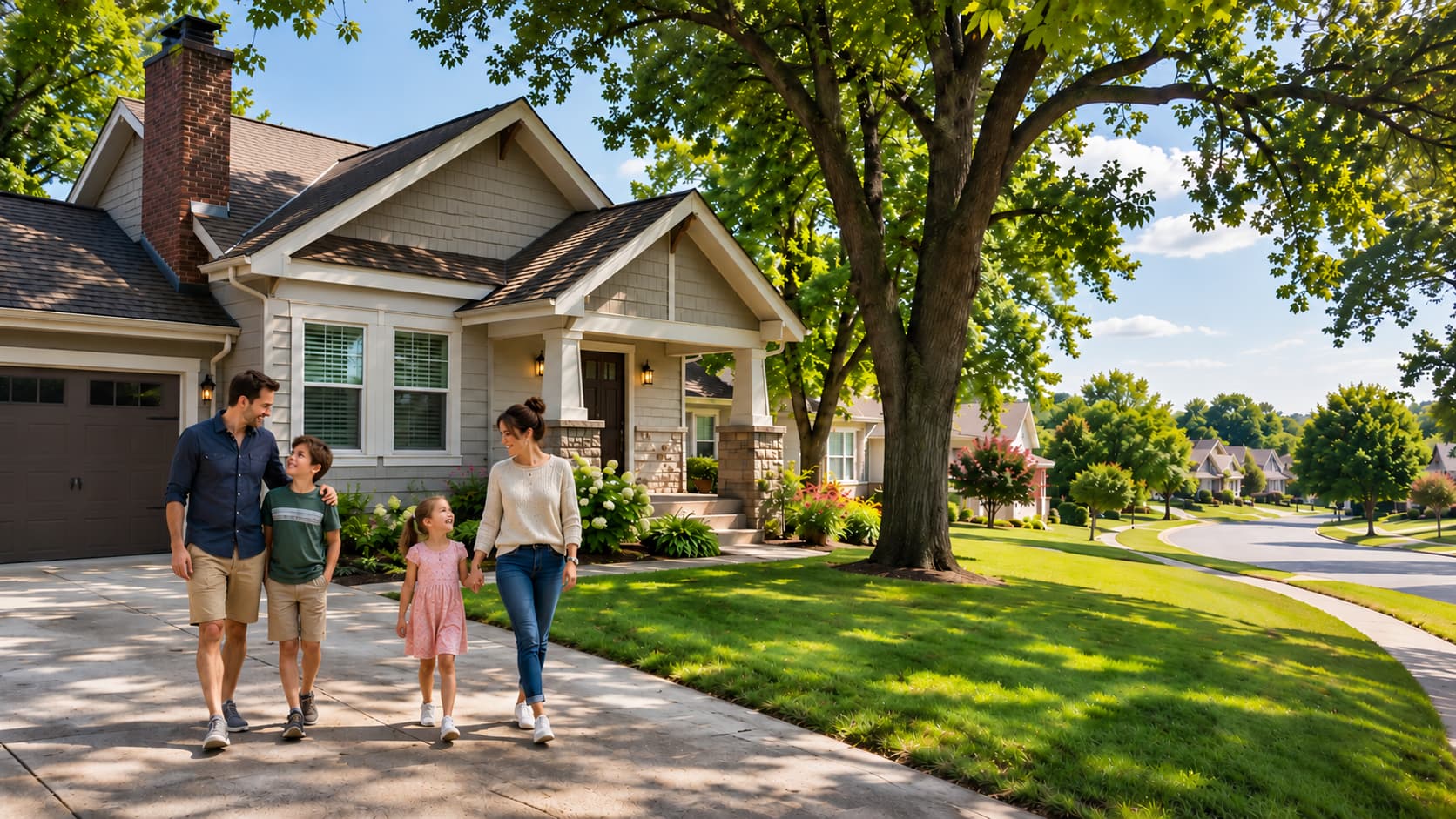
10. Family Life: Room to Grow
Omaha can be appealing to families who want more living space while remaining close to shopping, healthcare, schools, and recreation.
The metro offers a range of public school districts, private schools, early childhood programs, and higher education institutions.
Families can choose between urban neighborhoods, established suburbs, and growing communities near the edge of the metro.
Parks, playgrounds, splash pads, libraries, community centers, and youth sports programs provide plenty of options for keeping children active.
Choosing the Right School District
School district boundaries don’t always match city boundaries or mailing addresses.
A home with an Omaha mailing address may fall within a district different from Omaha Public Schools.
Before buying, verify the assigned district and specific schools using official boundary information.
Also remember that school quality cannot be reduced to a single rating. Academic offerings, special education resources, extracurricular activities, transportation, and a child’s individual needs all matter.
See our K-12 School Districts Guide and School Boundaries Guide.
11. A Different Pace of Life
Not every benefit of living in Omaha can be measured in dollars.
Sometimes it’s the everyday experiences that make the biggest difference.
Being able to stop at the grocery store without paying for parking.
Having enough room in the backyard for a grill and patio furniture.
Taking the kids to a neighborhood park without planning the entire afternoon around traffic.
Meeting friends for dinner and getting home at a reasonable hour.
For people who have spent years dealing with the congestion and expense of a major metropolitan area, those conveniences can feel refreshing.
Omaha still has busy roads, crowded stores, expensive restaurants, and the occasional frustrating day.
But its scale can make ordinary activities easier to manage.
That balance is part of what makes the city appealing.
Less hurry, more life.
12. What About Nebraska’s Political and Cultural Climate?
The 2026 midterm elections brought significant political changes across the United States.
For some Americans, those results may contribute to a broader reassessment of where they want to live.
But political preferences are personal, and it’s important not to assume that everyone living in a particular state shares the same beliefs.
Nebraska has traditionally leaned Republican in statewide and presidential elections, while Omaha has a more politically diverse electorate.
Nebraska also uses a distinctive system for allocating presidential electoral votes, with some votes awarded by congressional district rather than exclusively by statewide results.
That makes the state’s political landscape more nuanced than a simple red or blue label.
What Should Prospective Residents Consider?
Before moving, research the policies and laws that matter most to your household.
Those might include taxes, education, business regulations, healthcare access, reproductive healthcare, public safety, environmental policies, or other issues.
Omaha is home to people with a wide range of political and social perspectives.
Whether you prefer a politically active community or simply want to live somewhere that fits your lifestyle, it’s worth learning about the local culture rather than judging the area solely by election results.
And remember, the people you meet at the grocery store, neighborhood barbecue, or local park may have plenty in common with you regardless of how they vote.
13. What You Might Not Love About Omaha
We’ve spent considerable time talking about Omaha’s advantages. Now it’s time to discuss the drawbacks.
Because there are some.
Winter Weather Is Real
Nebraska winters can be cold, windy, snowy, and icy.
If you’re moving from Southern California, Florida, or another warm-weather location, you’ll need to adapt.
Winter clothing, snow removal equipment, careful driving, and home maintenance become part of life.
The good news is that Omaha is accustomed to winter weather. The city and its residents have plenty of experience dealing with it.
But that doesn’t mean every winter day is enjoyable.
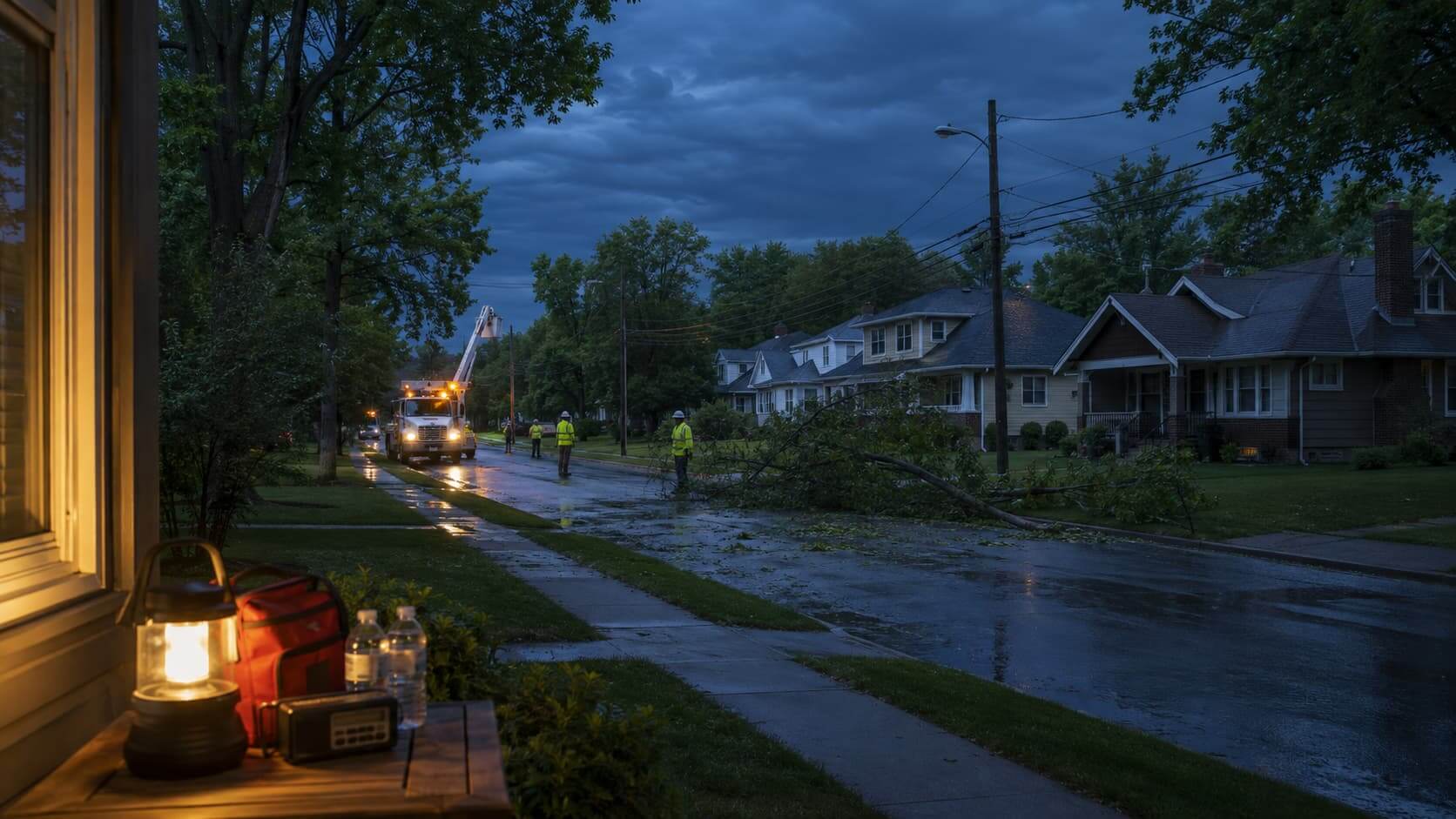
Severe Storms and Hail
Nebraska is part of the region commonly associated with severe thunderstorms and tornadoes.
Hail, damaging winds, and heavy rainfall can cause expensive property damage.
Homeowners should pay close attention to insurance coverage, deductibles, roof condition, drainage, and basement water protection.
Our Weather Guide can help newcomers prepare.
Property Taxes Can Be Expensive
As discussed earlier, property taxes are one of Omaha’s biggest financial disadvantages.
A reasonably priced house may still carry a substantial annual tax bill.
Insurance costs and special assessments can also add to the expense of homeownership.
You’ll Probably Need a Vehicle
Public transportation is limited compared with many major cities, and Omaha’s suburban development makes driving important.
If you enjoy walking everywhere or relying exclusively on trains and buses, some parts of Omaha may feel inconvenient.
Air Travel Isn’t as Convenient as a Major Hub
Eppley Airfield provides commercial air service, including nonstop routes to a range of destinations.
However, people accustomed to airports in cities such as Chicago, Denver, or Atlanta may find fewer nonstop options.
Some trips require connecting flights.
Check our Omaha Airport Guide for more information.
The Geography May Not Be for Everyone
Omaha has beautiful parks, nearby lakes, and scenic areas along the Missouri River.
But if your ideal lifestyle requires frequent trips to the beach or mountain skiing, you’ll need to travel farther.
Nebraska has its own natural beauty, but it offers a different landscape from coastal or mountainous states.
The Housing Market Can Be Competitive
Lower home prices don’t automatically make house hunting easy.
Desirable properties in popular neighborhoods may attract multiple buyers, particularly when inventory is limited.
Older homes can also come with maintenance needs, while newer developments may carry higher prices and additional expenses.
Being financially prepared remains important.
14. What Could Your Money Buy in Omaha?
Let’s return to one of the biggest reasons people consider relocating: housing.
Suppose you’re searching for a home with a $350,000 purchase budget.
In Omaha, that budget may provide access to a selection of detached homes, including properties with multiple bedrooms, garages, and yards.
In more expensive metropolitan areas, the same budget may require compromises involving location, home size, condition, or property type.
But here’s something important.
A less expensive house isn’t necessarily a less expensive lifestyle if your other costs increase.
Consider two hypothetical purchases:
| Expense | Omaha example | Higher-cost city example |
|---|---|---|
| Home purchase price | $350,000 | $650,000 |
| Down payment at 20% | $70,000 | $130,000 |
| Mortgage principal | $280,000 | $520,000 |
At an illustrative 6.5% fixed interest rate over 30 years, principal and interest would be approximately:
- Omaha: $1,770 per month
- Higher-cost city: $3,287 per month
That’s approximately $1,517 per month in principal-and-interest savings.
Over a year, the difference is about $18,200.
These are hypothetical calculations, not estimates for a particular city or currently available mortgage offers. They exclude taxes, insurance, association fees, maintenance, and other expenses.
And those exclusions matter.
Omaha’s higher property tax rates could reduce some of the savings, and insurance costs may differ considerably between the properties.
Still, the example demonstrates why home purchase prices play such a major role in relocation decisions.
The more useful question isn’t simply how much you can save on a mortgage.
It’s what those savings might allow you to do.
Build an emergency fund? Save more for retirement? Spend more time with family? Travel? Pay down debt?
Those possibilities are worth considering.
15. Is Omaha Right for You?
Omaha isn’t for everyone.
If you want warm weather all year, extensive public transportation, mountains outside your front door, or a major international airline hub, another city may be a better fit.
But if your priorities include housing affordability, shorter commutes, access to everyday amenities, employment opportunities, and room to settle into a neighborhood, Omaha deserves serious consideration.
Before deciding, ask yourself:
- How much would I actually save on housing after including property taxes and insurance?
- Would my salary change if I moved to Nebraska?
- What would my commute look like?
- Which Omaha-area neighborhoods fit my lifestyle?
- What school districts or healthcare services would I need?
- Am I comfortable with Nebraska winters and severe weather?
- Would I need to purchase another vehicle?
- How important is proximity to friends and family?
- Do Nebraska’s laws and policies align with my priorities?
- Could I picture myself enjoying an ordinary Tuesday here, not just a weekend visit?
That final question is especially important.
Almost any city can be enjoyable during a vacation.
The real test is whether it works for the everyday life you want to live.
The Bottom Line: Omaha Might Be the Change You’re Looking For
There’s no single city that’s right for everyone.
Every location has tradeoffs involving affordability, opportunity, climate, convenience, and community.
Omaha is no exception.
Nebraska’s property taxes can be frustrating. Winters can be unpleasant. Severe weather deserves respect. And the city doesn’t offer every amenity found in the nation’s largest metropolitan areas.
But Omaha also has some meaningful advantages.
Housing remains more affordable than the national average. Residential electricity prices are comparatively low. The local economy offers opportunities across several industries. Commutes tend to be shorter, and the metro has a growing selection of places to eat, shop, explore, and spend time with family.
For someone feeling priced out of their current community, or simply looking for a different pace of life, those advantages can add up.
You don’t necessarily have to give up the conveniences of city living to find more space, a manageable commute, or a home that better fits your budget.
Sometimes, the right place isn’t the one with the biggest skyline or the most famous attractions.
It’s the place where you can build the life you want.
And for a growing number of people considering their options, Omaha is worth a look.
Ready to Explore Omaha?
If you’re thinking about relocating, MoveToOmaha.com is here to help you research your options and plan your next chapter.
Start with these helpful resources:
- Why Move to Omaha?
- Cost of Living in Omaha
- Explore Omaha Neighborhoods
- Buying a Home in Omaha
- Omaha Jobs and Schools
- Your First 30 Days in Omaha
- Free Moving Checklists
Whether you’re ready to move or just beginning to consider the possibilities, we’re here to help you get to know Omaha.
MoveToOmaha.com. Less hurry, more life.
Sources and References
The statistics and comparisons in this article are based on publicly available information from government agencies, research organizations, and established data providers. Sources were reviewed in November 2026.
Housing Prices
- Redfin: Omaha Housing Market – Median home sale prices, housing trends, and local market conditions.
- Redfin: United States Housing Market – National median home prices and housing market comparisons.
Electricity and Utility Costs
- U.S. Energy Information Administration (EIA) – Residential electricity rates in Nebraska compared with national averages.
Gasoline and Transportation
- AAA Gas Prices: Nebraska – State and metropolitan gasoline prices compared with national averages.
- U.S. Census Bureau: QuickFacts – Omaha demographic information, household characteristics, and commuting data.
Employment and Economic Conditions
- U.S. Bureau of Labor Statistics: Omaha Metropolitan Area – Local unemployment rates, employment trends, and regional economic statistics.
Nebraska Taxes
- Nebraska Department of Revenue – Official Nebraska income tax rates, tax rules, and statewide tax information.
- Nebraska Sales and Use Tax – State and local sales tax information.
- Tax Foundation: Property Taxes by State and County – Property tax comparisons, effective rates, and county-level statistics.
Crime and Public Safety
- WOWT: Omaha Crime Reaches Historic Lows, Police Say – June 2026 reporting on Omaha Police Department crime statistics and recent trends.
Note: Housing prices, gasoline prices, tax rates, and other economic indicators change over time. Statistics in this article reflect the reporting periods identified in the text and may differ from current figures. Readers should consult the linked sources for the latest information.